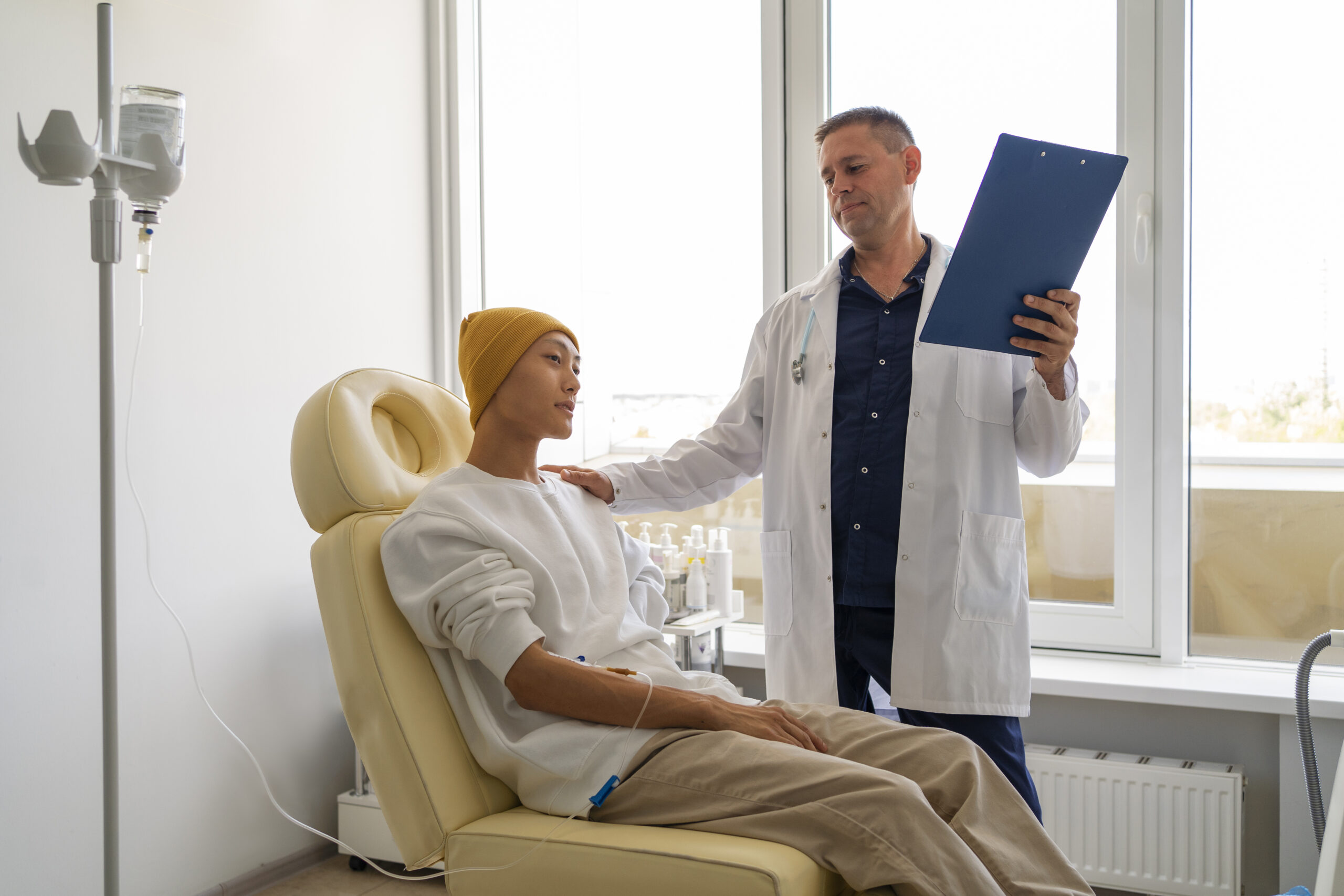
Cancer treatment has improved dramatically over recent decades, giving patients more precise and effective options. Two of the most common treatments are chemotherapy and radiation therapy, but they work differently and serve different purposes. Understanding these differences helps patients and families make informed choices and feel more confident during a treatment journey. This article explains chemotherapy and radiation in straightforward terms, compares them and shows how Shine Healthcare helps patients access advanced cancer care through its global hospital network.
What is Chemotherapy?
Chemotherapy (commonly called chemo) uses drugs to kill or stop the growth of cancer cells. It is a systemic treatment, meaning the medication circulates through the bloodstream and can reach cancer cells wherever they are in the body. Chemotherapy targets rapidly dividing cells, which makes it effective against many cancers but can also affect healthy fast-growing cells, such as those in hair follicles, the digestive tract and bone marrow.
How chemotherapy works
- Disrupts cell division: Chemo drugs interfere with processes that allow cancer cells to replicate, causing cell death.
- Shrinks tumors: It can reduce tumor size before surgery or other local treatments.
- Destroys microscopic disease: Because it travels throughout the body, chemo can eliminate small clusters of cancer cells that imaging might miss.
- Combination use: Chemo is often combined with surgery, radiation, targeted therapy or immunotherapy.
Common delivery methods
- Intravenous (IV) infusion
- Oral tablets or capsules
- Injections (subcutaneous or intramuscular)
- Intrathecal or intraperitoneal delivery for specific cancers
Typical side effects
- Fatigue
- Nausea and vomiting
- Hair thinning or loss
- Low blood counts (increased infection risk, anemia)
- Mouth sores and appetite changes
What is Radiation Therapy?
Radiation therapy uses high-energy rays or particles to damage the DNA of cancer cells, causing them to stop dividing and die. Unlike chemotherapy, radiation is a localized treatment directed at a specific area of the body. This makes radiation especially useful when the cancer is confined to one site or when doctors want to control a tumor that is causing symptoms.
How radiation therapy works
- DNA damage: Radiation breaks DNA strands in cells within the treatment field, impairing their ability to repair and multiply.
- Local control: It targets tumors precisely, minimizing exposure to nearby healthy tissues.
- Symptom relief: Radiation can quickly reduce pain, bleeding or obstruction caused by tumors.
- Adjunct role: Often used before surgery to shrink tumors or after surgery to eliminate microscopic residual disease.
Main types of radiation therapy
- External beam radiation therapy (EBRT): Most common; a machine outside the body directs radiation at the tumor.
- Intensity-modulated radiation therapy (IMRT) and image-guided radiation therapy (IGRT): Advanced forms that shape and adjust beams for higher precision.
- Stereotactic radiosurgery (SRS) and stereotactic body radiation therapy (SBRT): Deliver very high, focused doses in fewer sessions for small tumors.
- Brachytherapy (internal radiation): Radioactive sources placed inside or near the tumor.
Common side effects
- Skin changes (redness, irritation) near the treated area
- Fatigue
- Localized hair loss (in the radiation field)
- Temporary swelling or discomfort depending on the site
Key Differences: Chemotherapy vs Radiation Therapy
Area of effect
- Chemotherapy: Systemic affects the whole body through the bloodstream.
- Radiation therapy: Localized focused on a specific tumor or body region.
Modality
- Chemotherapy: Drug-based treatment.
- Radiation therapy: Uses high-energy rays or particles.
Primary goals
- Chemotherapy: Treats cancers that have spread or could spread, eliminates microscopic disease and reduces tumor size systemically.
- Radiation therapy: Controls or eradicates localized tumors, relieves symptoms and sterilizes tissues after surgery.
Side effect profiles
- Chemotherapy: More likely to cause systemic symptoms like nausea, hair loss and decreased immunity.
- Radiation therapy: Causes local side effects such as skin reactions and site-specific discomfort.
Treatment schedule
- Chemotherapy: Given in cycles over weeks to months; schedule depends on drug regimen and cancer type.
- Radiation therapy: Often daily sessions over several weeks (conventional) or fewer high-dose sessions with stereotactic approaches.
When Each Is Used
When doctors recommend chemotherapy
- Cancer has metastasized (spread) beyond one region.
- There is a high risk of microscopic disease or recurrence.
- Tumors respond well to systemic drug therapy (e.g., leukemias, certain breast, lung, ovarian cancers).
- As neoadjuvant (before surgery) to shrink tumors.
- As adjuvant (after surgery) to reduce recurrence risk.
When doctors recommend radiation therapy
- Cancer is localized to a certain area (e.g., early-stage prostate or cervical cancer).
- Surgery is not feasible or is risky.
- As preoperative therapy to shrink a tumor.
- As postoperative therapy to eliminate remaining microscopic cancer cells.
- For palliation to relieve symptoms (pain, bleeding, obstruction).
Combination Therapy: Better Together in Many Cases
Many cancers respond best to a combination of treatments. Chemotherapy and radiation is commonly used for head and neck cancers, some lung cancers, cervical cancer and other types. Chemotherapy can sensitize cancer cells to radiation, making the radiation more effective, while radiation controls the local tumor site. The choice to combine therapies depends on cancer type, stage, patient health and treatment goals.
How to Manage Side Effects
Modern cancer centers place great emphasis on managing side effects so patients can complete treatment safely and maintain quality of life. Side-effect management includes:
- Antiemetics and appetite support for nausea
- Growth factors and blood transfusions for low blood counts
- Skin care regimens and topical treatments for radiation dermatitis
- Counseling, nutrition support and physical therapy for fatigue and weakness
How Shine Healthcare Helps Patients Access Advanced Cancer Care
Accessing the right hospital and specialist can significantly influence outcomes. Shine Healthcare, founded in 2020, helps patients connect to high-quality cancer care across a global hospital network. With partnerships spanning 25+ leading hospitals and 100+ oncology specialists, Shine Healthcare guides patients through diagnosis, treatment planning and care coordination.
Services Shine Healthcare provides
- Specialist matchmaking: Connects patients with oncologists experienced in specific cancer types.
- Treatment planning assistance: Helps patients understand options like chemotherapy, radiation or combined therapy.
- Medical travel coordination: Arranges appointments, transfers and logistics for patients traveling for care.
- Access to advanced technology: Links patients to centers equipped with IMRT, SBRT, PET-CT and modern chemotherapy suites.
- Support through the journey: Helps with hospital admission, insurance coordination and post-treatment follow-up.
Choosing the Right Treatment: Factors to Consider
- Cancer type and histology
- Stage and spread of disease
- Patient’s general health, age and personal preferences
- Goals of care: curative vs palliative vs symptom control
- Availability of targeted therapies or clinical trials
A multidisciplinary tumor board bringing together medical oncologists, radiation oncologists, surgical oncologists, radiologists and pathologists usually create the most balanced and personalized plan.
Practical Advice for Patients and Families
- Ask for a clear treatment plan: Request a written summary that explains the purpose of each therapy, expected timeline and side-effect prevention strategies.
- Keep a symptom diary: Track side effects, appetite, sleep and mood to share with the care team.
- Build a support network: Family, friends and patient support groups help with practical and emotional needs.
- Discuss fertility and long-term effects early: Some treatments can affect fertility or organ function; talk to your team before starting therapy.
- Consider second opinions: Especially for complex or advanced cancers, a second opinion can reassure or provide alternative options.
Conclusion
Chemotherapy and radiation therapy are both essential pillars of modern cancer treatment. Chemotherapy acts systemically to target cancer cells throughout the body, while radiation therapy offers precise local control over tumors. Often, the strongest outcomes come from combining these approaches within a carefully planned, individualized treatment program. Shine Healthcare helps reduce barriers to top-quality cancer care by connecting patients with expert specialists and advanced hospitals, ensuring treatment decisions are timely and well-supported.
Early diagnosis, open communication with your oncology team and thoughtful planning make a big difference in outcomes and quality of life. If you or a loved one is facing cancer, reach out to Shine Healthcare for help finding the right specialist and treatment pathway.
FAQs
- Is chemotherapy more painful than radiation?
No, neither is directly painful but both can cause side effects like fatigue, nausea or skin irritation that affect comfort. - Can cancer be cured without chemo or radiation?
Yes, in some cases surgery alone or targeted therapies may cure certain early-stage cancers. Treatment depends on cancer type and stage. - How long does radiation therapy take?
Often given as daily sessions over several weeks, though stereotactic approaches can require fewer sessions. - How long does chemotherapy last?
Chemotherapy is usually given in cycles over weeks or months; exact duration depends on the drug regimen and cancer type. - Can chemo and radiation be given together?
Yes. Combined (concurrent) chemoradiation is common for cancers like head and neck, certain lung cancers and cervical cancer to improve outcomes. - How does Shine Healthcare help cancer patients?
Shine Healthcare connects patients to top hospitals and specialists, coordinates medical travel, assists with treatment planning and ensures access to advanced technologies.