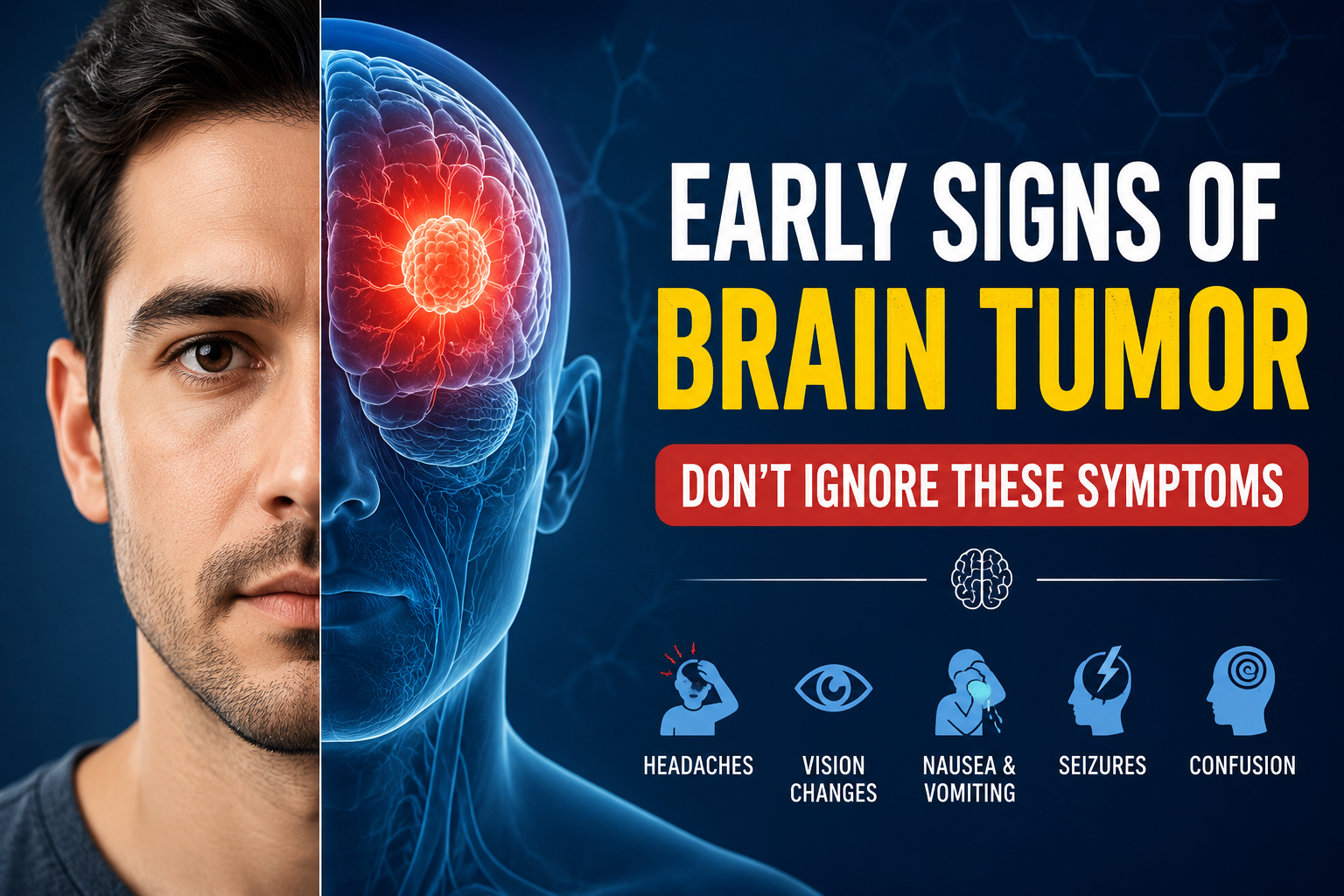
Brain tumors are serious medical conditions that can affect anyone, regardless of age or lifestyle. While not all tumors are cancerous, they can still interfere with normal brain function and lead to life-threatening complications if not diagnosed early. Recognizing the early warning signs is crucial, as timely intervention through Neurosurgery can significantly improve outcomes and quality of life.
In this blog, we will discuss the early symptoms you should never ignore and why seeking professional medical attention is essential.
What Is a Brain Tumor?
A brain tumor is an abnormal growth of cells within the brain or surrounding tissues. It can be either benign (non-cancerous) or malignant (cancerous). Regardless of type, tumors can press on vital areas of the brain, affecting functions such as movement, speech, memory, and vision.
Early detection plays a critical role in effective treatment, often involving advanced Neurosurgery techniques.
Common Early Brain Tumor Symptoms
Understanding brain tumor symptoms can help you identify potential warning signs before the condition worsens.
1. Persistent Headaches
One of the most common early signs is frequent or severe headaches. These headaches may:
- Be worse in the morning
- Increase in intensity over time
- Not respond well to usual medications
Unlike regular headaches, they may be accompanied by other neurological symptoms.
2. Unexplained Nausea or Vomiting
Frequent nausea or vomiting without any digestive cause can indicate increased pressure inside the brain. This symptom is often more noticeable in the early morning.
3. Vision Problems
Blurred vision, double vision, or loss of peripheral vision can be early indicators. Tumors near the optic nerves can interfere with how the brain processes visual information.
4. Difficulty in Speech or Understanding
If you suddenly experience trouble speaking, slurred speech, or difficulty understanding conversations, it could be linked to brain function impairment.
5. Seizures
Seizures are often one of the first noticeable signs of a brain tumor, especially in individuals with no prior history of epilepsy. Even mild seizures should never be ignored.
6. Weakness or Numbness
Gradual weakness or numbness in the arms or legs, especially on one side of the body, may signal a neurological issue that requires immediate attention.
7. Balance and Coordination Issues
If you feel unsteady while walking or have difficulty maintaining balance, it could be due to a tumor affecting the cerebellum (the part of the brain responsible for coordination).
8. Personality or Behavioral Changes
Changes in mood, personality, or behavior—such as increased irritability, confusion, or memory loss—can sometimes be overlooked but are important warning signs.
Why Early Diagnosis Matters
Ignoring early symptoms can delay treatment and worsen the condition. Early diagnosis allows doctors to:
- Identify the type and location of the tumor
- Plan effective treatment strategies
- Improve the chances of successful recovery
Modern Neurosurgery has advanced significantly, offering safer procedures with better precision and faster recovery times.
When Should You See a Doctor?
You should consult a specialist immediately if you experience:
- Persistent headaches with unusual patterns
- Repeated vomiting without a clear cause
- Sudden vision or speech problems
- Seizures or unexplained neurological symptoms
Timely evaluation through imaging tests like MRI or CT scans can help detect abnormalities early.
Treatment Options for Brain Tumors
Treatment depends on the size, type, and location of the tumor. Common approaches include:
1. Neurosurgery
Surgical removal of the tumor is often the primary treatment. Advanced techniques ensure minimal damage to surrounding tissues.
2. Radiation Therapy
Used to destroy remaining tumor cells after surgery or when surgery is not possible.
3. Chemotherapy
Helps in controlling or shrinking cancerous tumors.
4. Targeted Therapy
Focuses on specific abnormalities within tumor cells for more effective treatment.
A combination of these treatments is often used for optimal results.
Role of Neurosurgery in Brain Tumor Treatment
Neurosurgery plays a vital role in managing brain tumors. With the help of advanced technology such as:
- Image-guided surgery
- Minimally invasive techniques
- Robotic-assisted procedures
Surgeons can operate with higher precision, reducing risks and improving recovery outcomes.
Preventive Measures and Awareness
While not all brain tumors can be prevented, awareness of symptoms can make a significant difference. Here’s what you can do:
- Pay attention to unusual or persistent symptoms
- Avoid self-medication for recurring headaches
- Maintain regular health checkups
- Seek medical advice early
Early action can save lives.
Conclusion
Recognizing early brain tumor symptoms is essential for timely diagnosis and effective treatment. Symptoms like persistent headaches, vision problems, seizures, and behavioral changes should never be ignored.
Advancements in Neurosurgery have made it possible to treat brain tumors more safely and effectively than ever before. If you or your loved ones experience any warning signs, do not delay seeking professional care.
Early detection, proper diagnosis, and expert treatment can significantly improve outcomes and ensure a better quality of life.
Frequently Asked Questions
1. What are the first signs of a brain tumor?
Early signs include persistent headaches, nausea, vision problems, and seizures. These symptoms may vary depending on the tumor’s location.
2. Are all brain tumors cancerous?
No, brain tumors can be benign or malignant. However, both types can affect brain function and require medical attention.
3. When should I consult a neurosurgeon?
You should consult a specialist if you experience ongoing neurological symptoms like seizures, vision issues, or unexplained headaches.
4. Can brain tumors be cured?
Some brain tumors can be completely removed through Neurosurgery, especially if detected early. Treatment success depends on the type and stage.
5. How are brain tumor symptoms diagnosed?
Doctors use imaging tests such as MRI or CT scans along with neurological examinations to diagnose brain tumors.